The Neon Bull’s ORB 4 Inversion Strategy
The MOST Powerful 1 Minute Scalping System Today!
What Is An ORB? OPENING RANGE BREAKOUTS
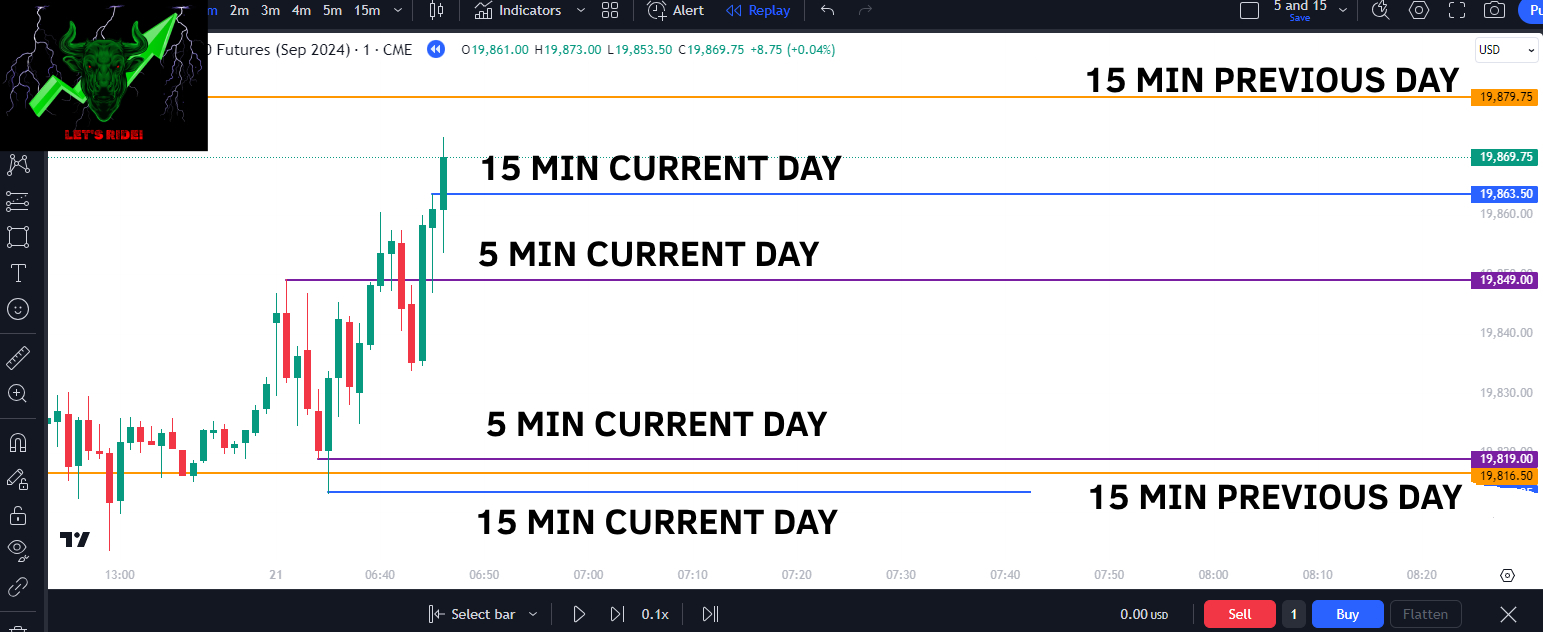
The opening range breakout is the price range between the highest high and lowest low reached during the first part of the trading session, usually defined by a specific timeframe. We use the 5 and 15 minute time frames. The 15 we keep on our chart at the end of the day, the 5 we delete at the end of the day.
Purple Lines- 5 Min Current Day
Blue Lines- 15 Min Current Day
Orange Lines- 15 Min Previous Day/Days
3 Types Of Entries
Test- Where price action first meets an ORB.
Retest- When price action comes back to retest that same ORB.
Touch & Go- When price action passes the ORB and the next candle launches from it.
Test & Retest
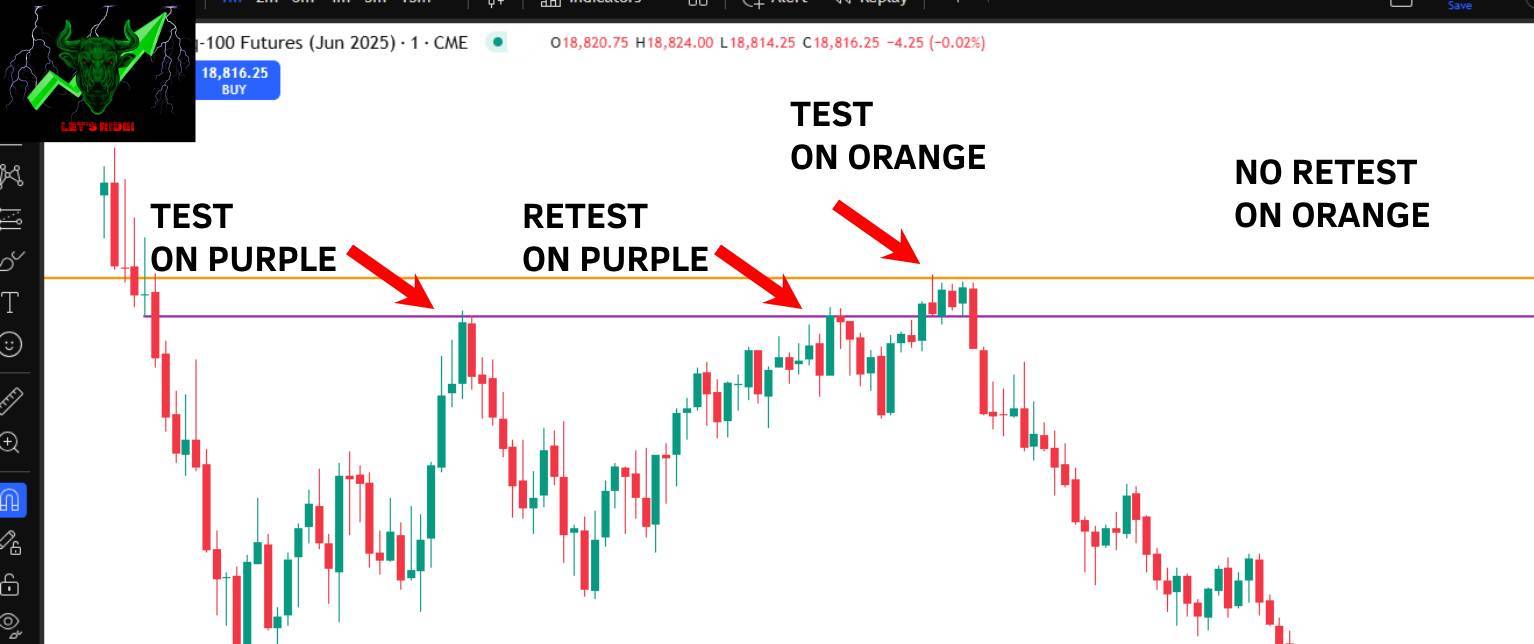
Touch & Go
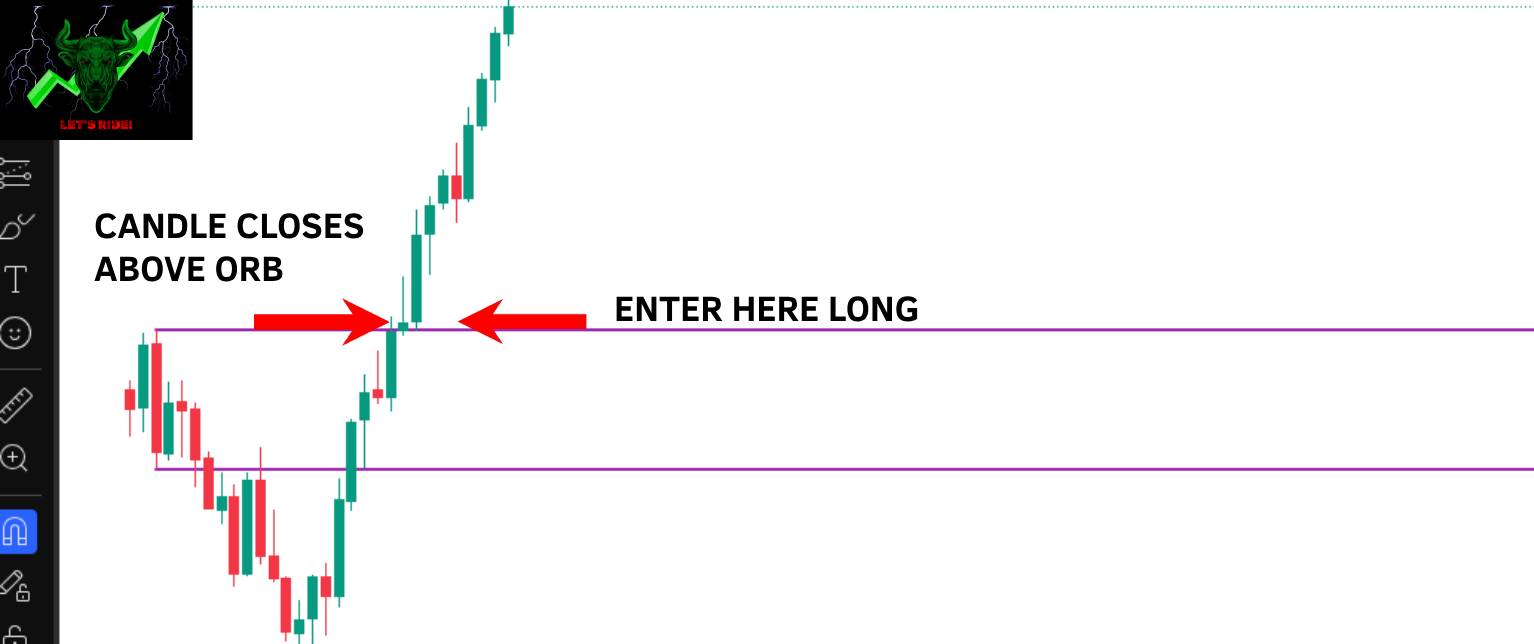
OB1’s- 5 Minute ORB
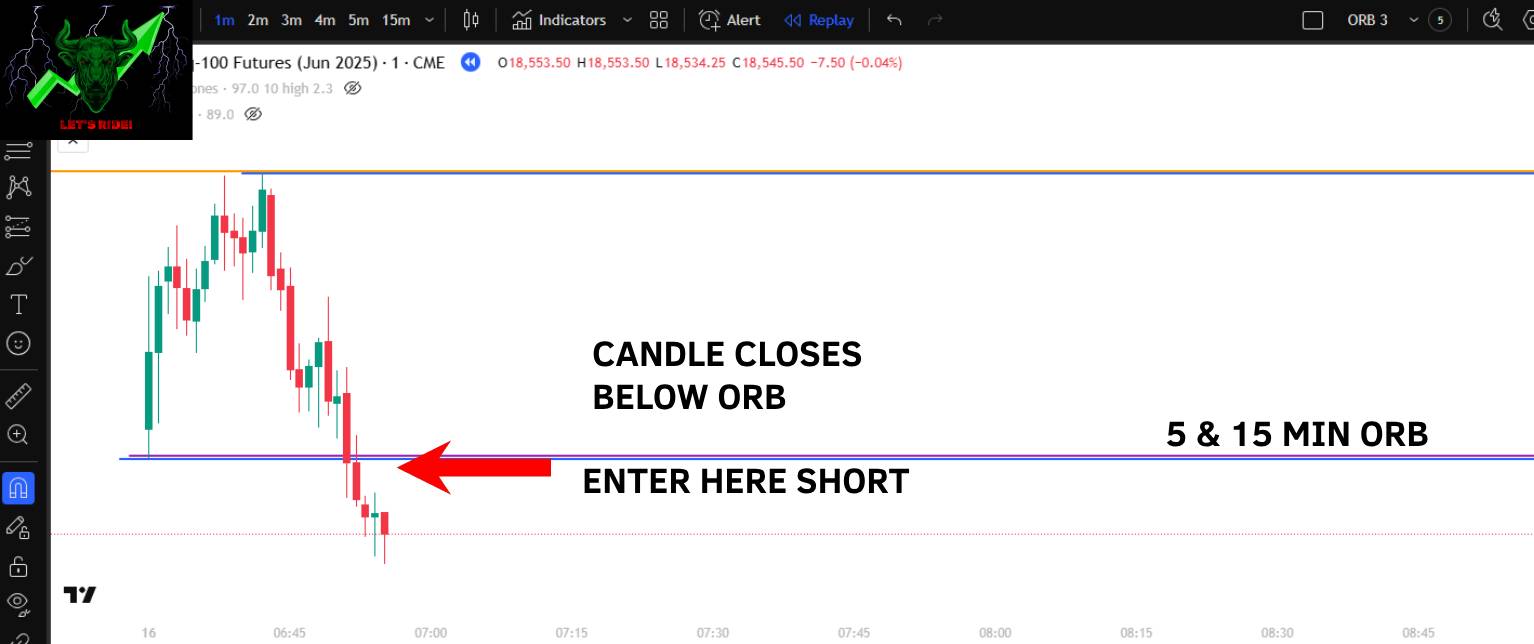
Inversing the Purple 5 Minute ORB
This is the first trade that we look for when the market opens. We look for the 5 min ORB to get broken and a launch from it on the next candle using a very small stop loss. Of the ORB 4 Strategy this has the lowest win rate but is still very profitable once you get good at reading price action.
Short Entry
In this example the wick of the candle comes back past the ORB before going in the direction of price action.
Long Entry
In this example the wick of the candle stops on the ORB before going in the direction of price action.
OB2’s- 5 & 15 Minute ORBs
Inversing the 5 Minute Purple ORB or the 15 Minute Blue ORB
Using the 15 min current day ORBs we look for a test or retest for our entry. We will use our confluences to confirm or deny our entry.
Short Entry

Long Entry
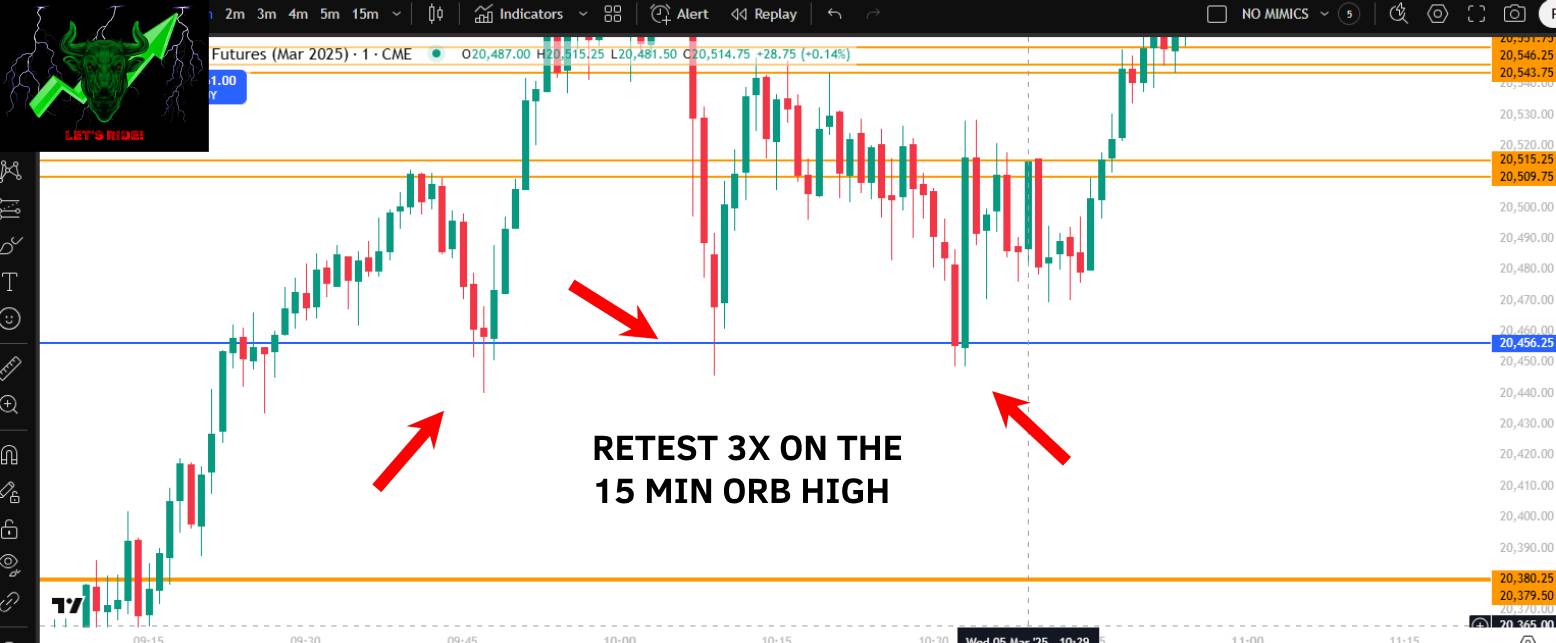
Short Entry
Long Entry
OB3’s- Patterns & Gaps
Inversing Patterns or Open Gaps from Previous Day’s ORBs
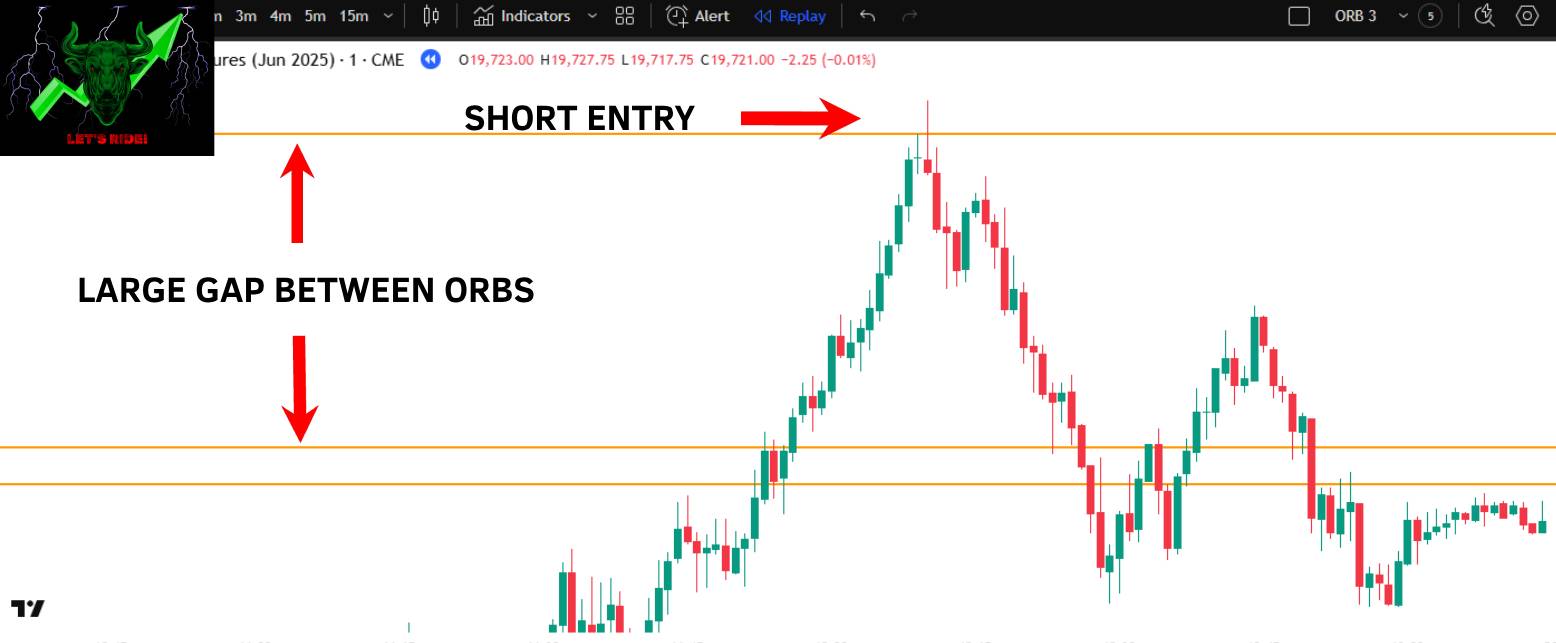
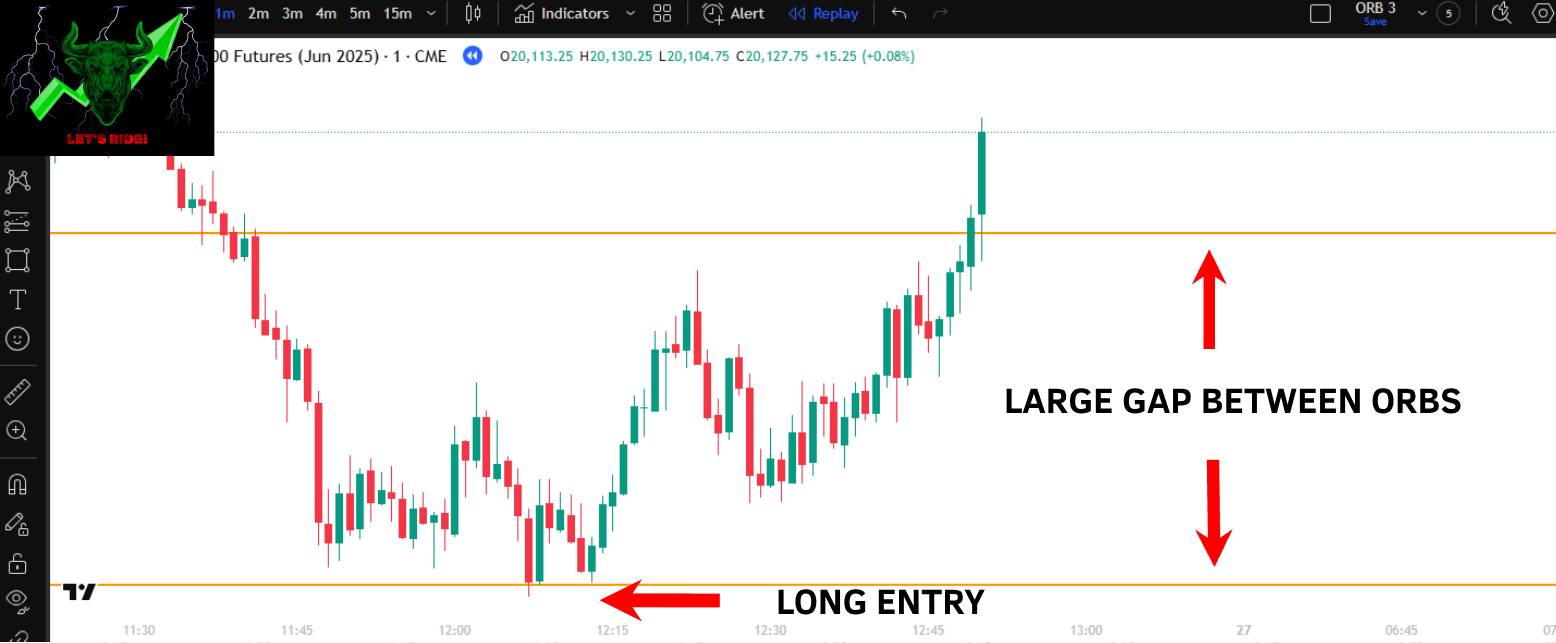
Using any 15 min ORB we look for a test or retest that either show a horizontal or angled patternd forming. If there is a large gap between two ORBs many times a pattern is not necessary.
Short Entries
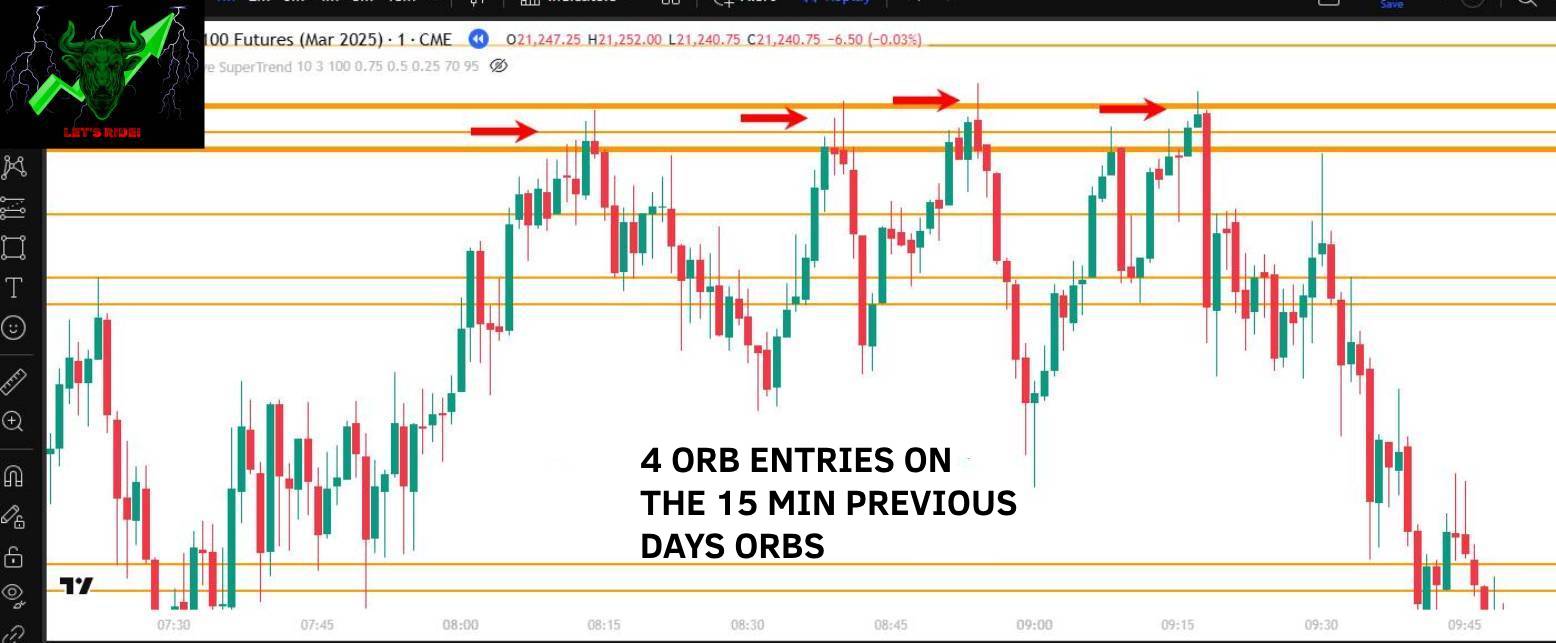
Long Entries
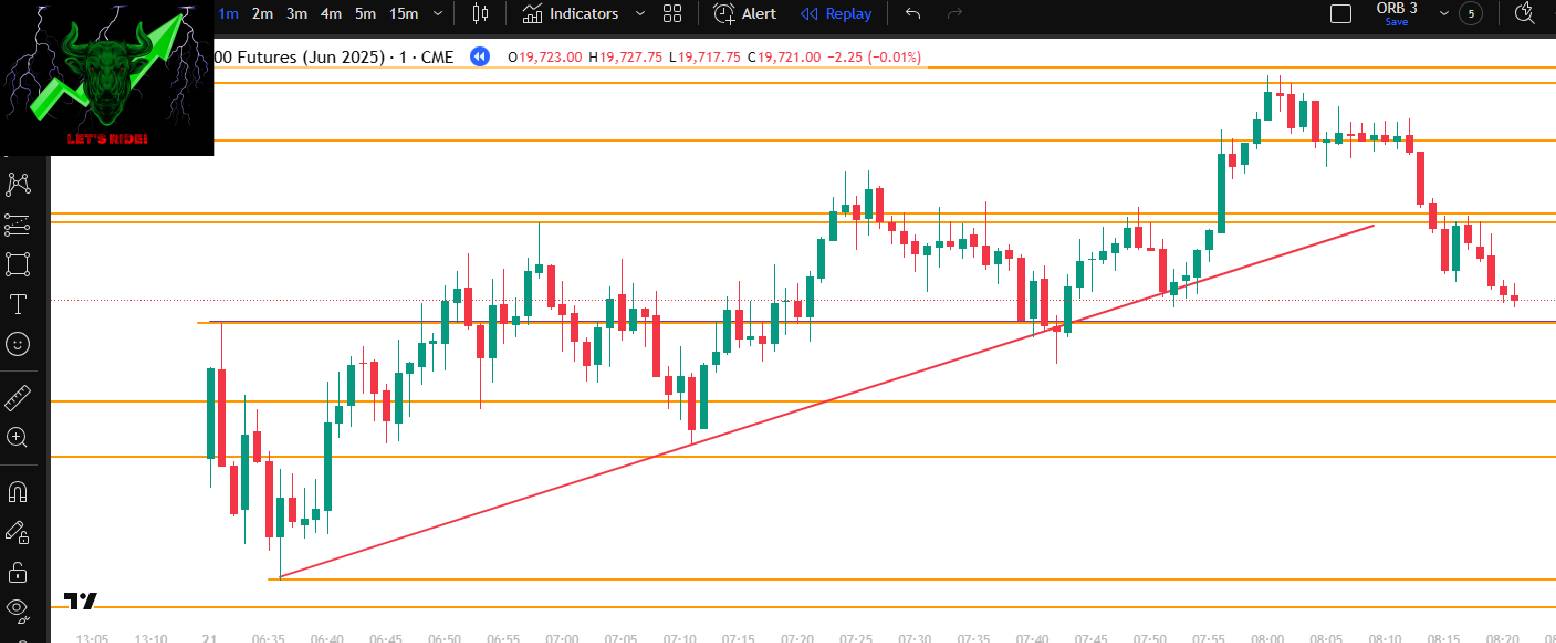
Short Entries
Long Entries
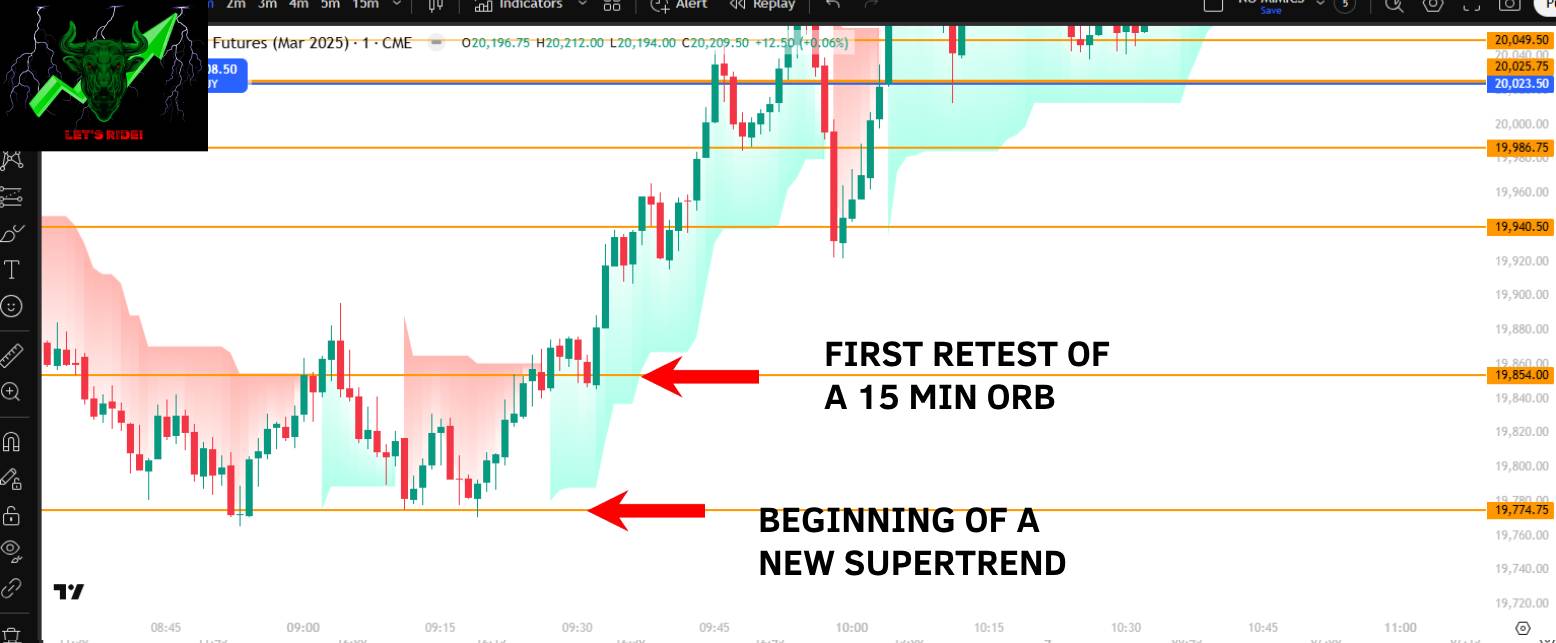
OB4’s- Support & Resistance Zones
Inversing a Retest of a New Zone
Best used after the first 90 minutes and before the last hour of the trading day. With this strategy we will inverse on the first ORB or group of ORBs once a new zone has started. The indicator that we use is the The Neon Bull’s S&G Zones.
Indicator settings at:
High & 2.3
Short Entry
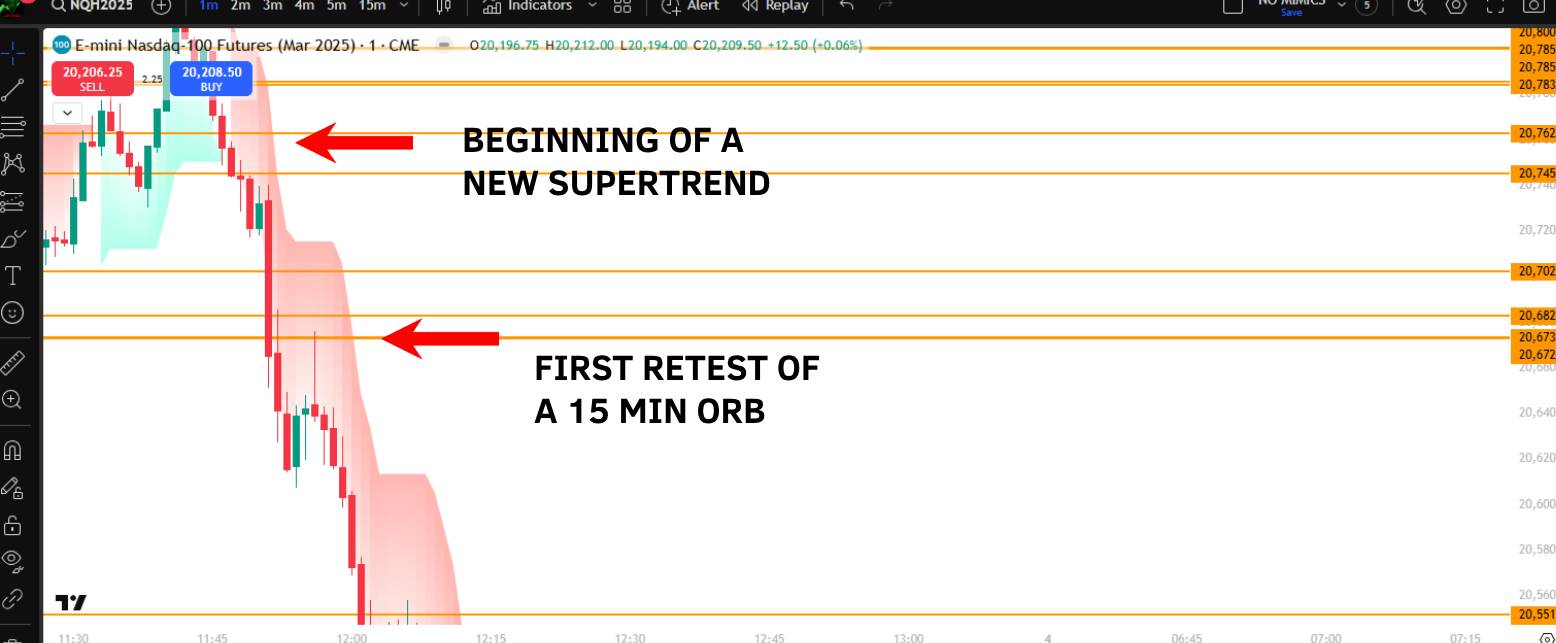
Long Entry
CONFLUENCES
What Is A Confluence?
When it comes to trading a confluence is anything deemed to help your success rate improve. These can be anything from indicators and oscillators to patters and indices.
The 4 Confluences to Use
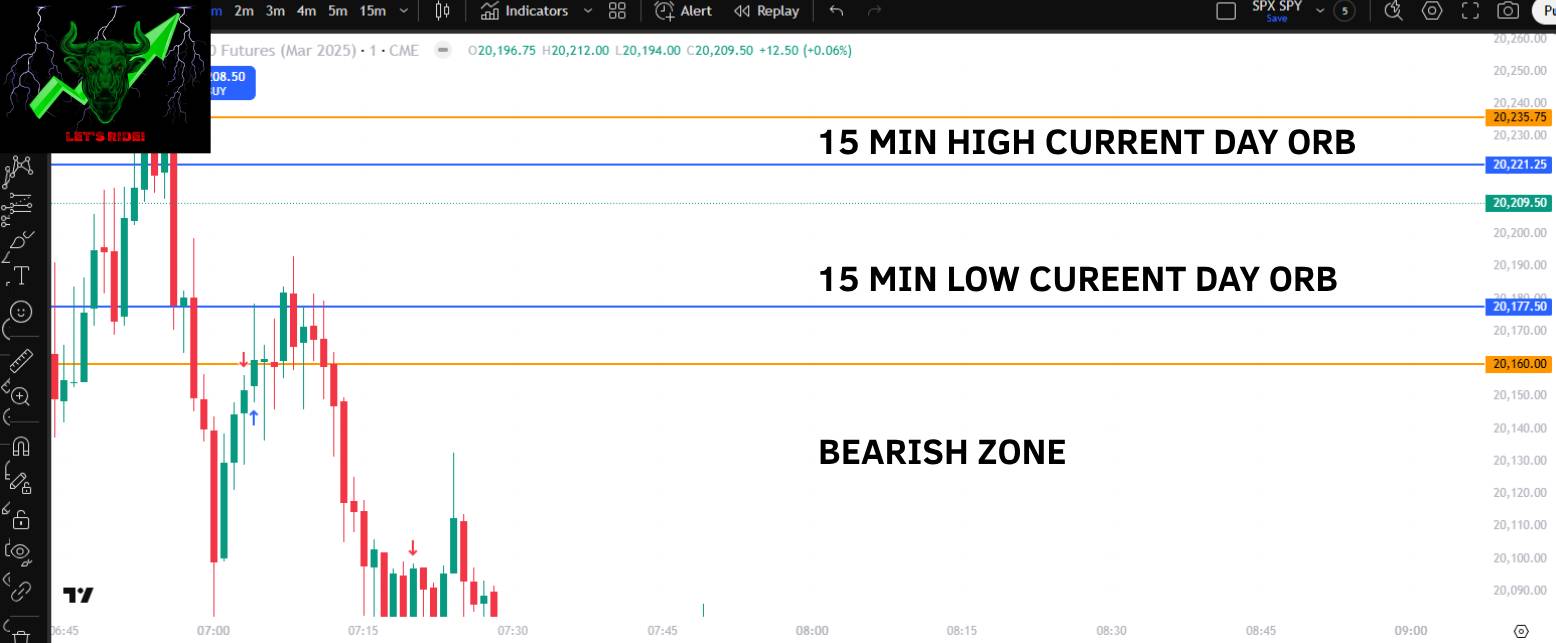
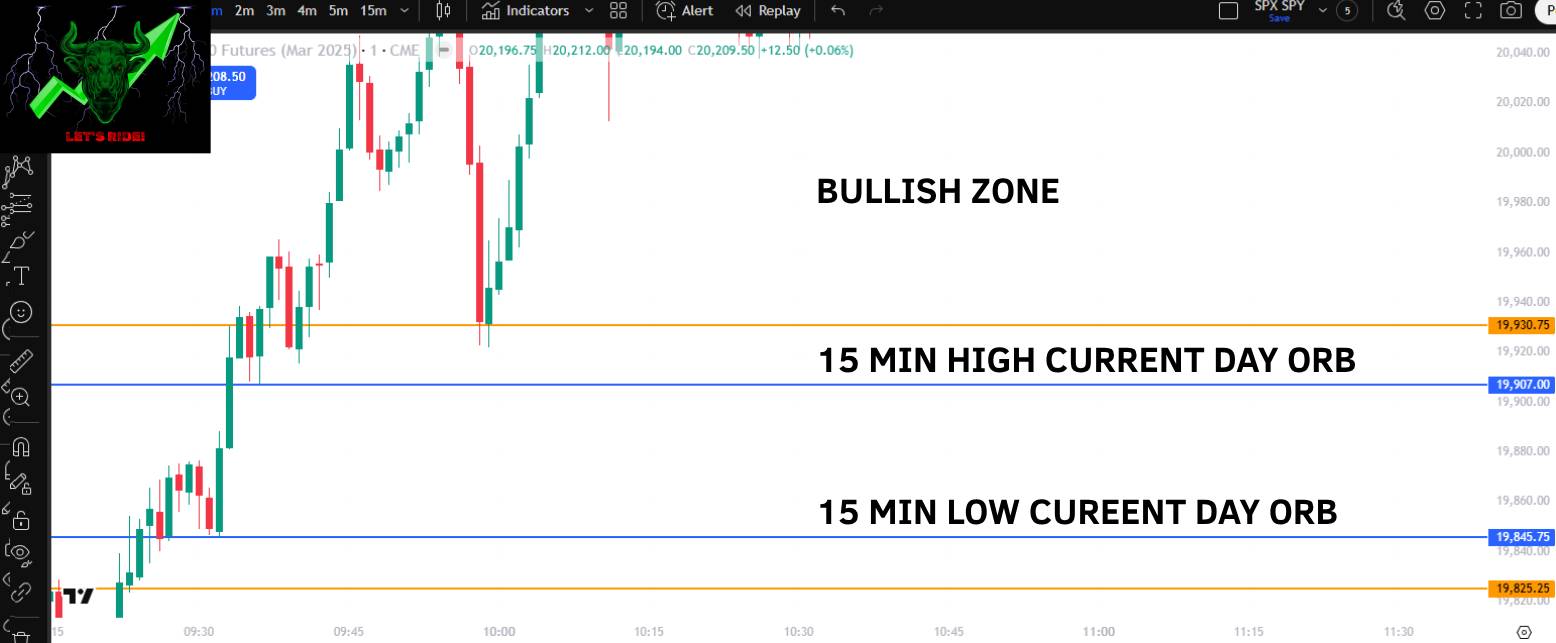
Bias – Liquidity – Price Action – Patterns
Bias
Bearish
Bullish
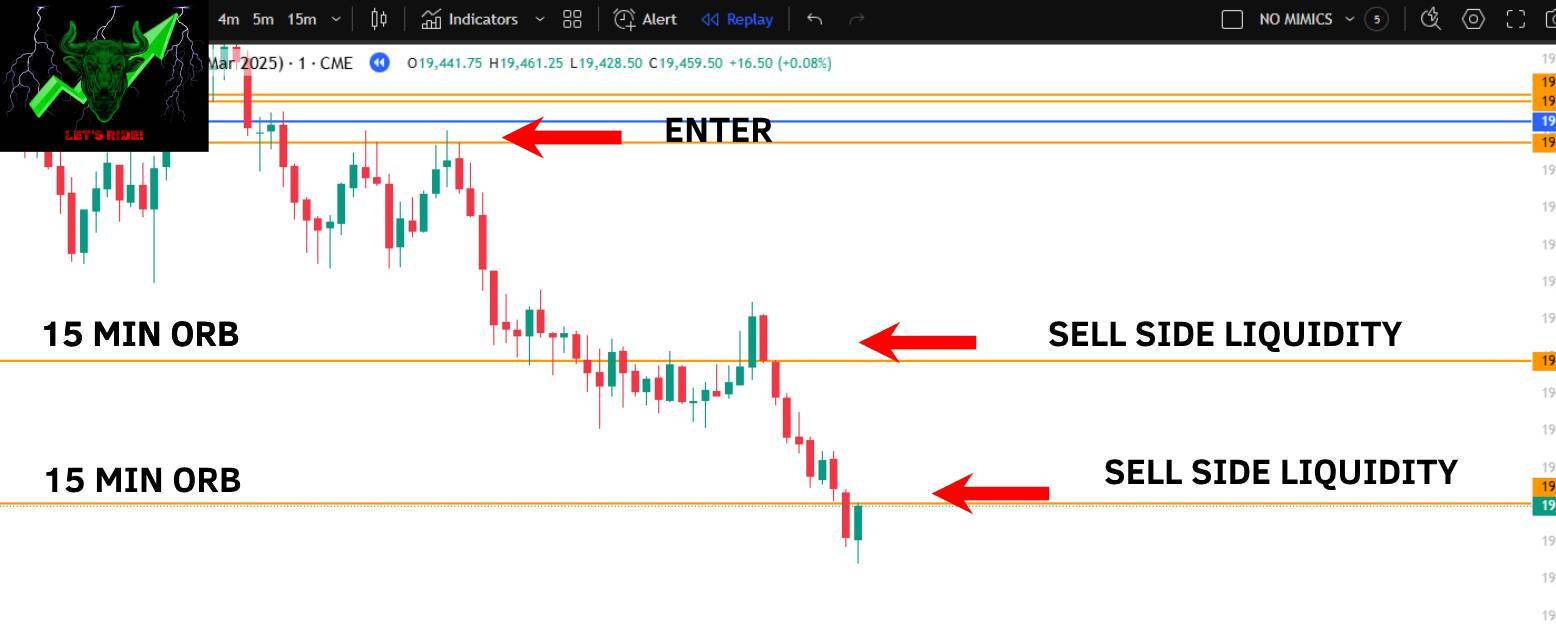
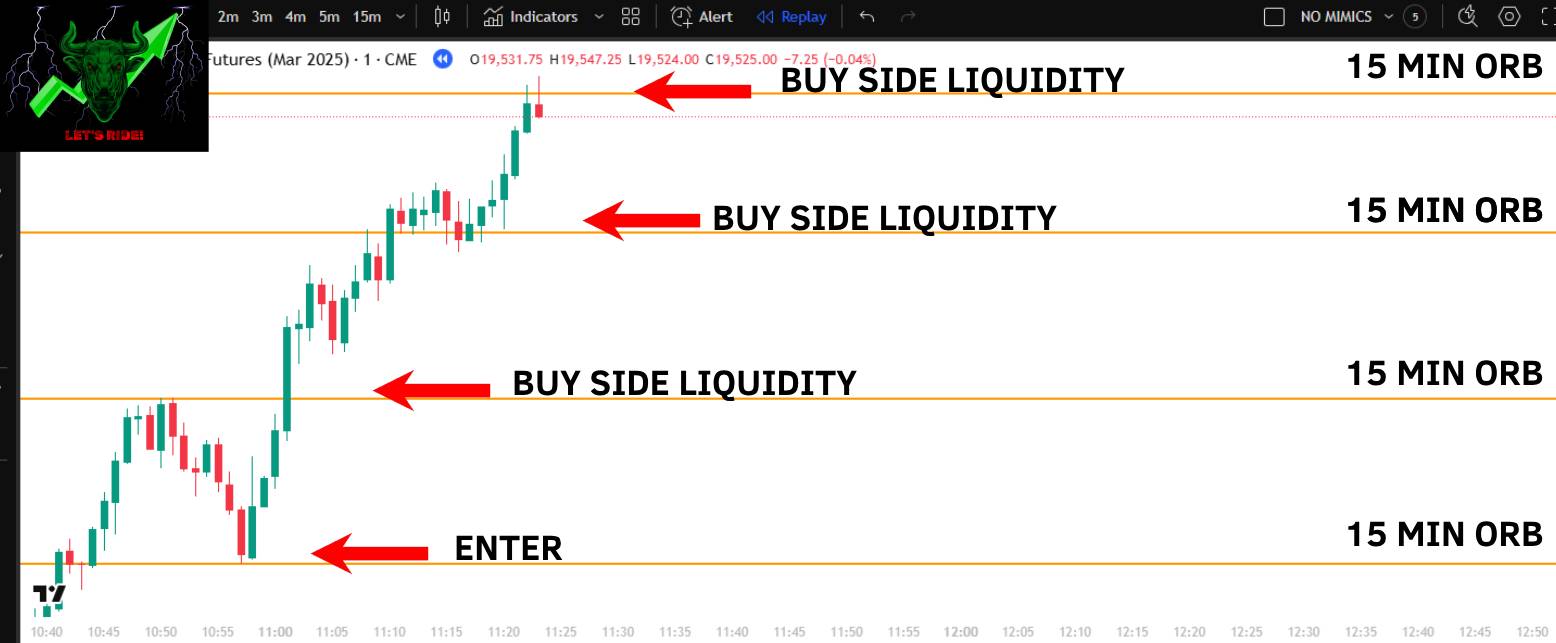
Liquidity
Liquidity can be best described as Buy Side Liquidity or Sell Side Liquidity. Other traders use swing high/lows as liquidity grabs, we use the 15 minute ORBS.
Sell Side Liquidity
Buy Side Liquidity
Price Action
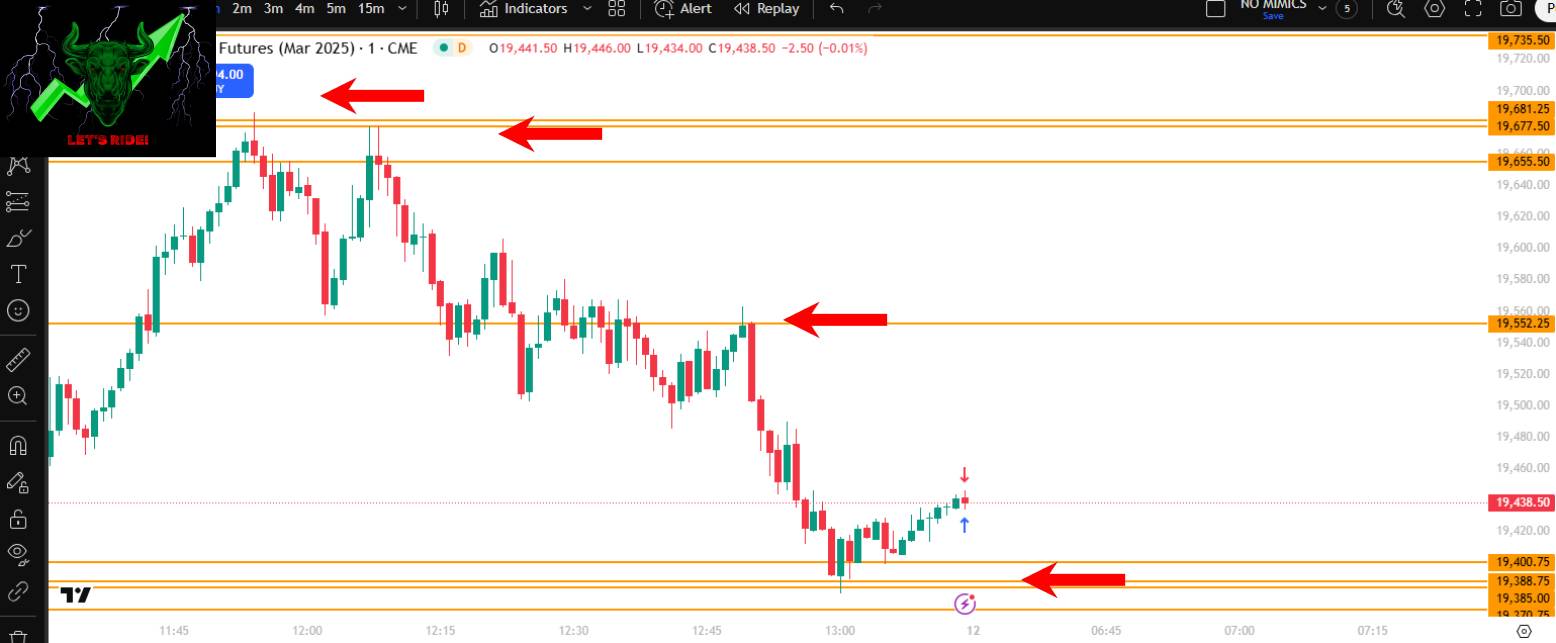
Because we use ORBs as our trading base we look at price action a little different that other traders. We can successfully trade when the volatility is fast, medium or slow as long as we have ORBs in our range.
Good Price Action
Price action obeying the ORBs in range.
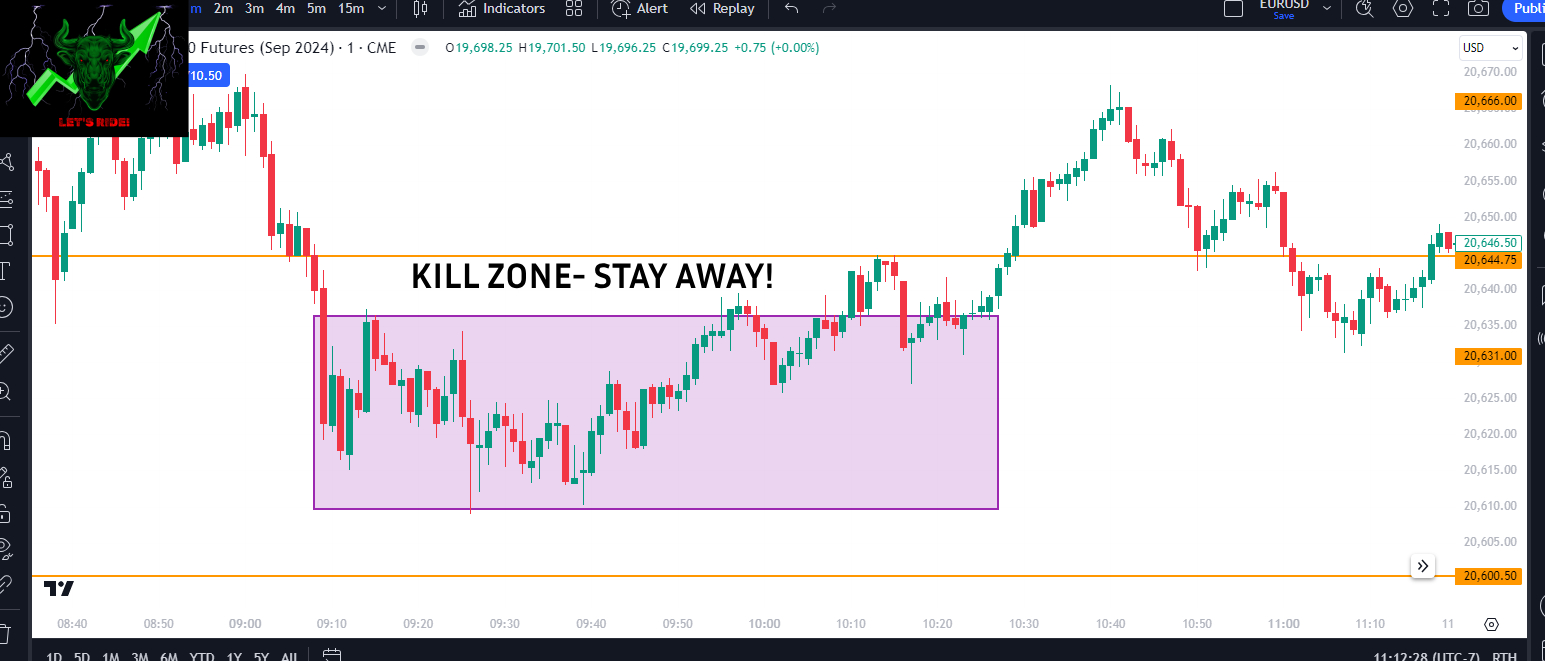
Poor Price Action
With no ORBs in this range it is difficult to tell how price action is going to react. This is where we add Mimics to help guide us.
Patterns
This is the number 1 confluence that we use for our OB3 entries. Although we don’t use the trend line patterns as much as the peaks & valleys they are good to have in your trading tool box.
Peaks & Valleys
Trend Lines
MIMICS
What Is A Mimic?
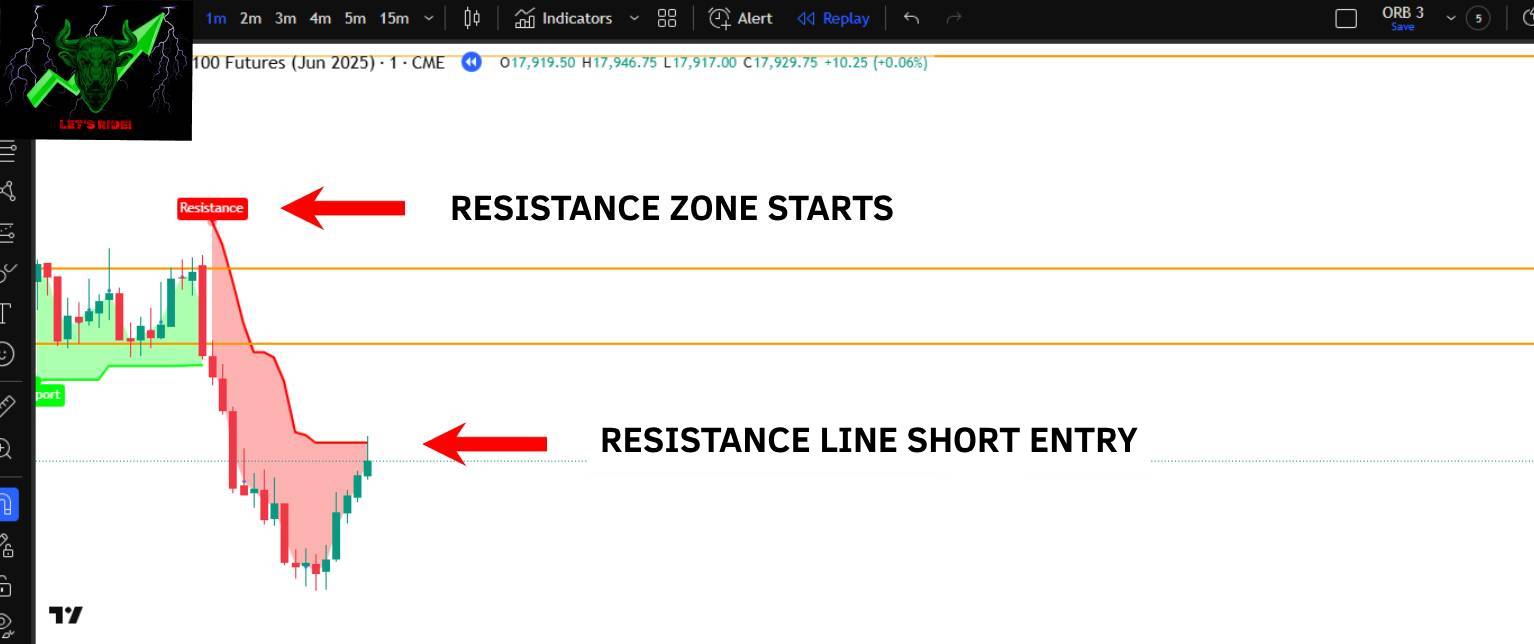
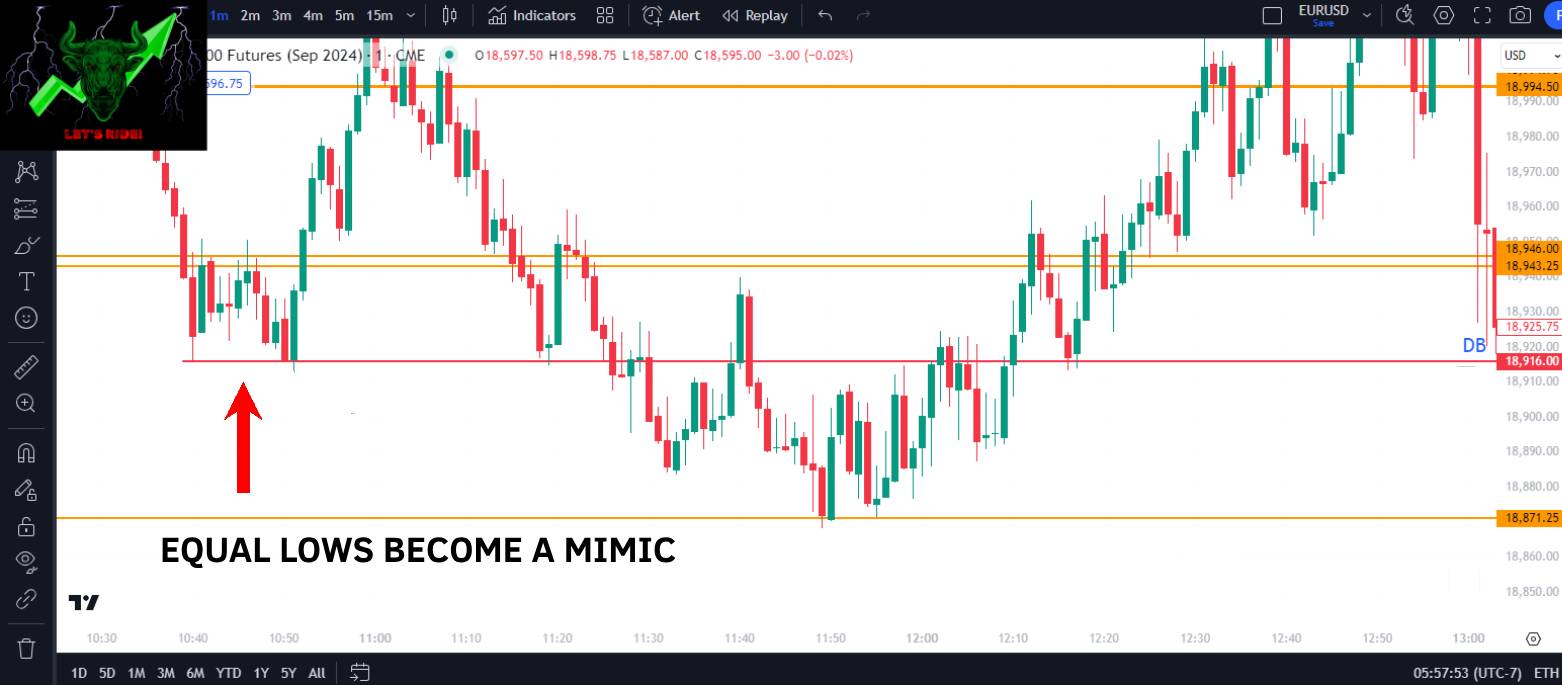
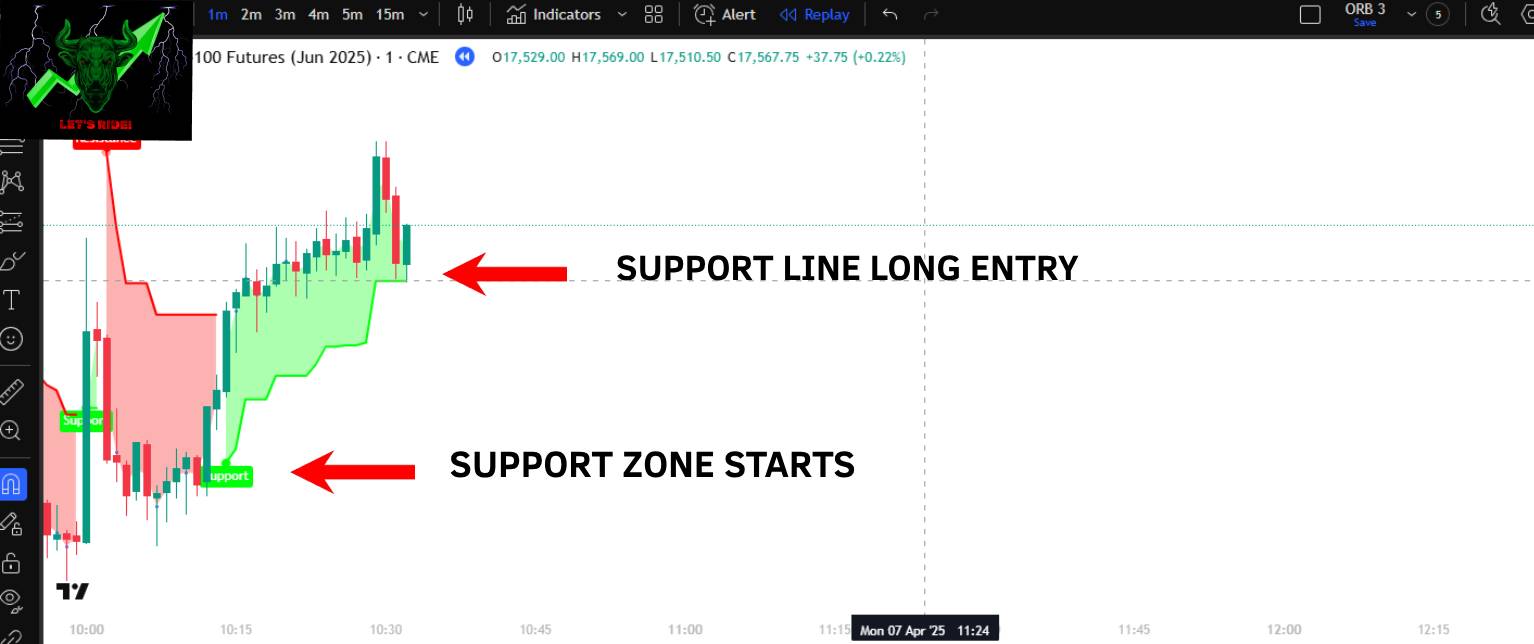
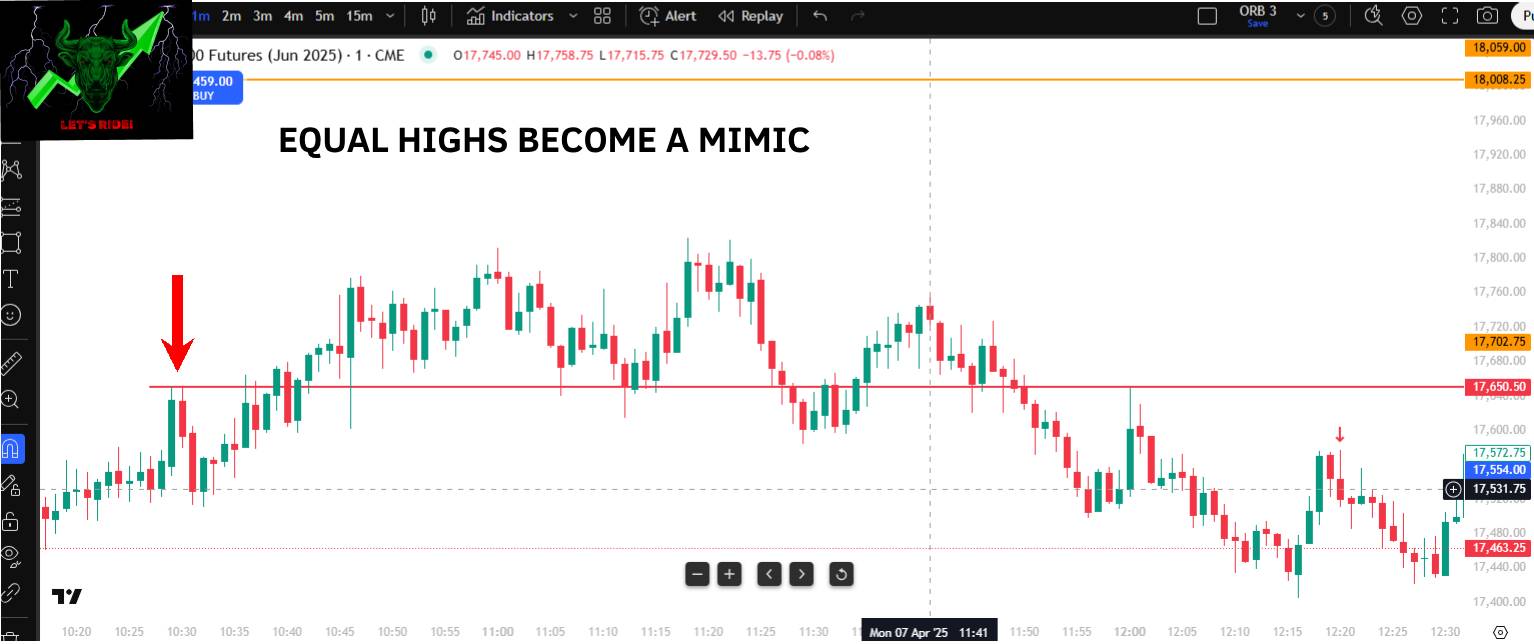
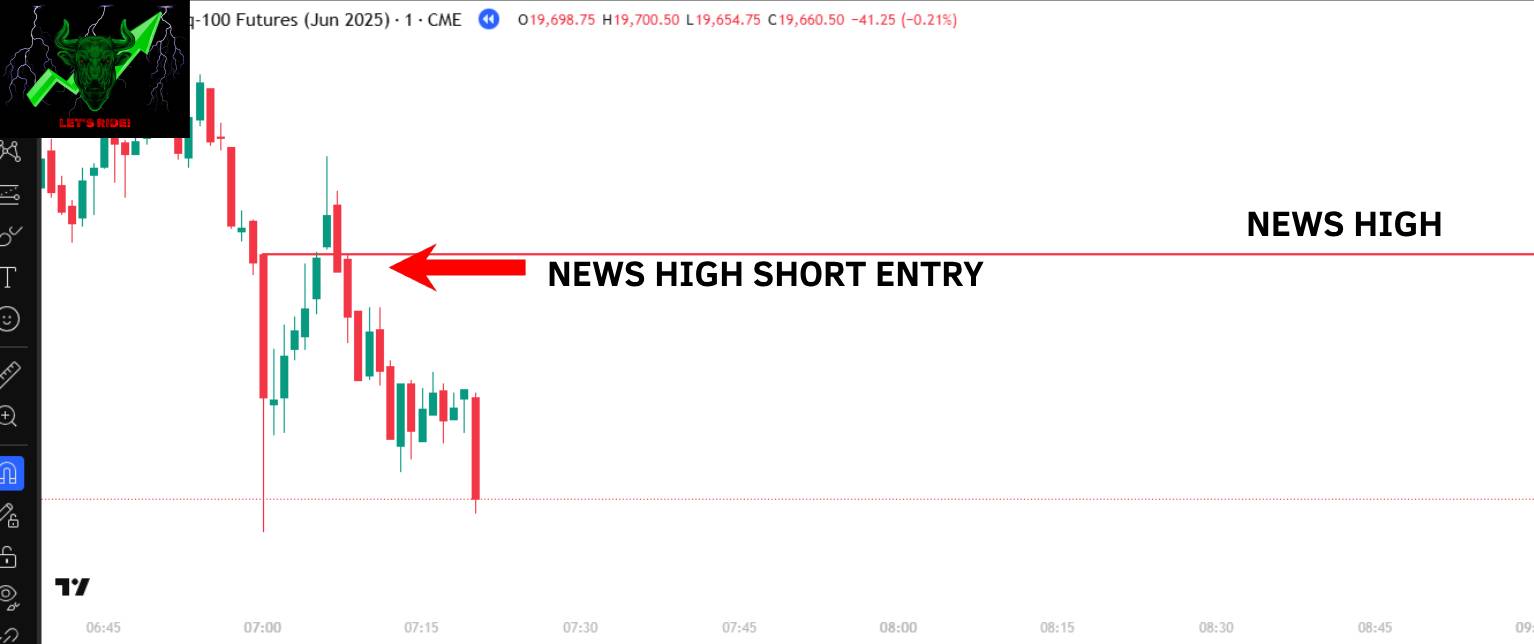
A Mimic is a specific line that acts as an ORB. They are mostly formed by support/resistance lines, equal highs/lows, and news highs/lows. The only times that we use them however is when price action is in an empty zone where the real ORBs are not.
Resistance Line = Mimic
Equal Low = Mimic
Support Line = Mimic
Equal High = Mimic
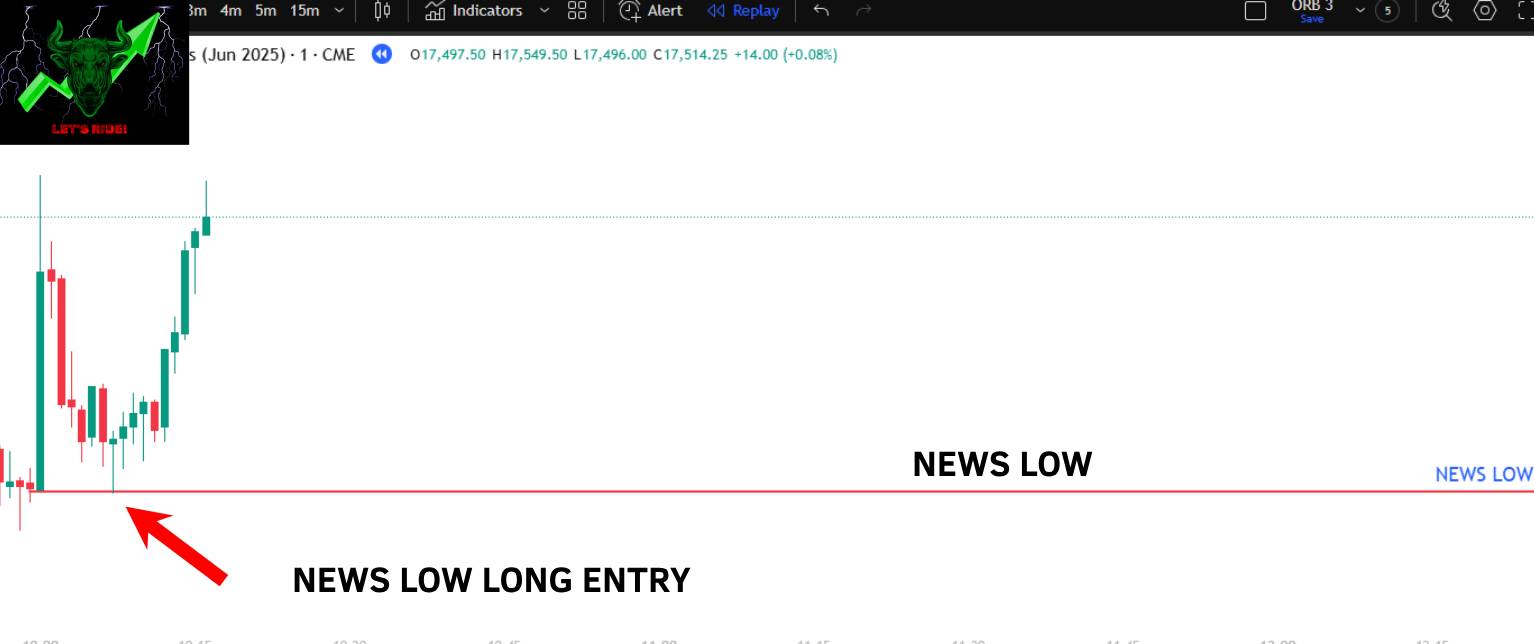
News High = Mimic
News Low = Mimic